NSU Alvin Sherman Library · COMP 1500

Evaluate Sources with CARDIO

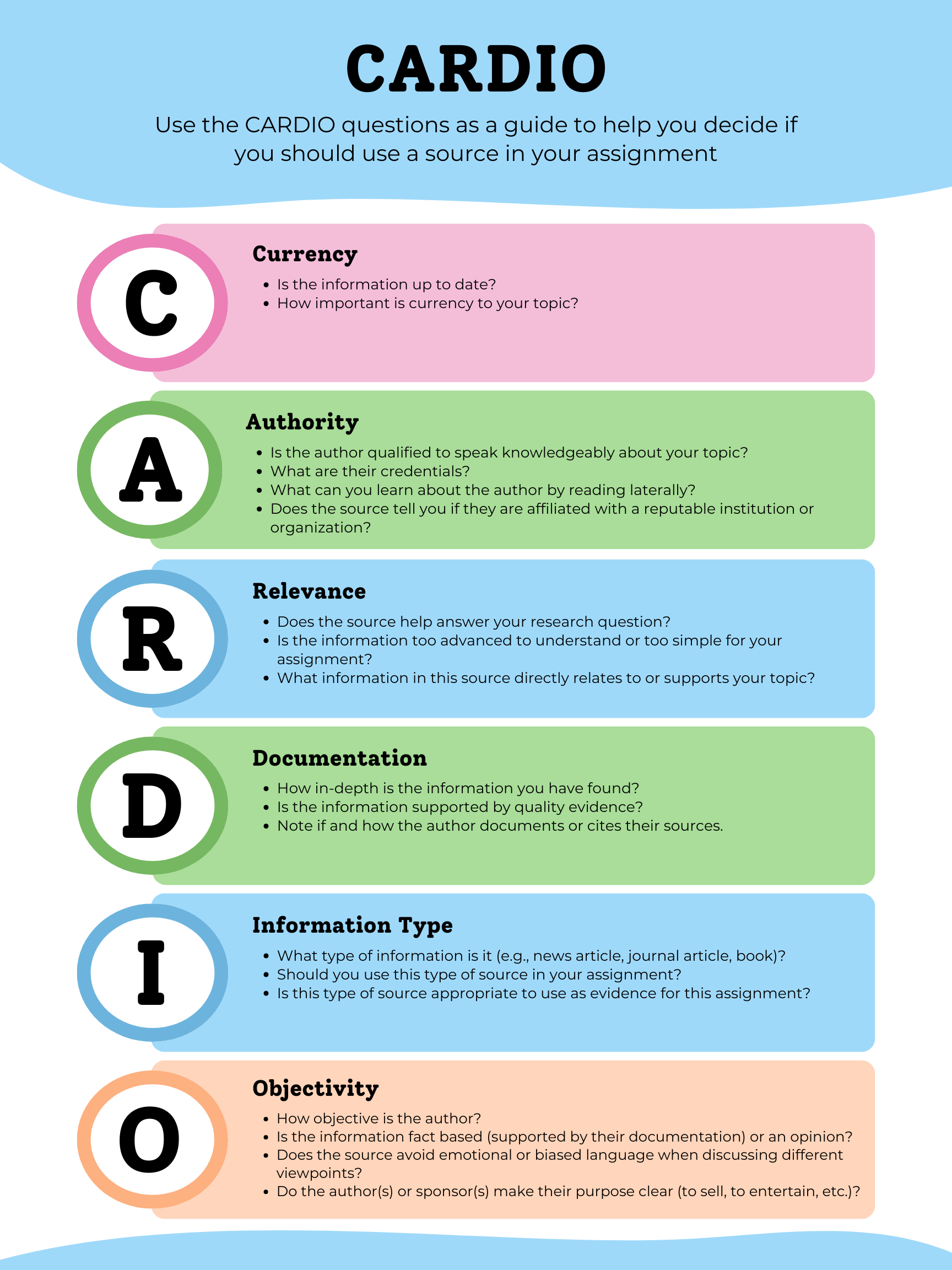
Work through each letter of CARDIO at your own pace. Read the lesson, then answer the question to move forward.

C
A
R
D
I
O
Introduction

Before You Start

When you finish this tutorial, a link to the COMP 1500 quiz will appear on the completion page.

This quiz is REQUIRED for this class. Do not skip it.

Work through the tutorial, complete the quiz, and you are done. The questions in this tutorial are not the quiz.
C

Currency

Is the information up to date?

Source: Article title, author, and publication date.
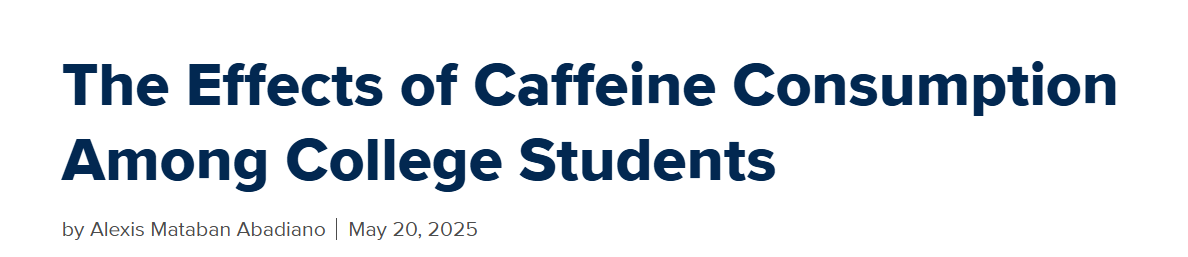
Article title, author and publication date

Ask yourself:

Is the information up to date?
Required.
How important is currency to your topic? What year was this article published?
Max 25 characters
Required.
Important: Currency matters relative to your topic. A history source from 1995 may still be valid, but a source about current medical treatments could be critically outdated within just a few years.
Knowledge CheckC: Currency
Article title, author and publication date
Source: Article title, author, and publication date.

How does the publication date affect whether this is a good source for research about caffeine and college students?

Please complete all lesson questions.
A

Authority

Who created this information, and are they qualified?

Source: Author listed on the UC Davis BioInnovation Group website. Use lateral reading to learn more.
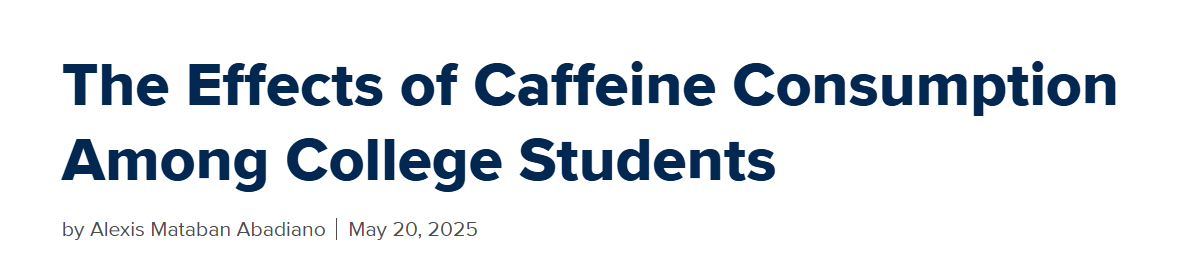
Article header showing author name and UC Davis website

Learn more by visiting the leadership menu on the website:
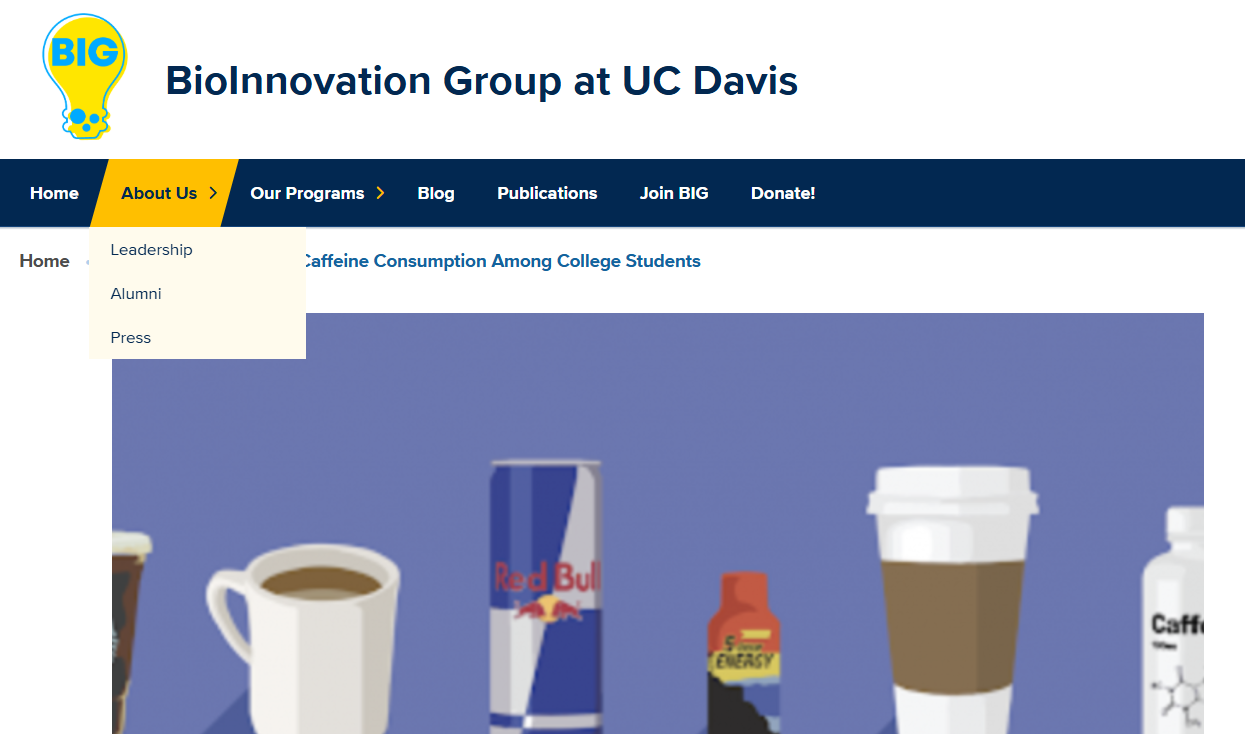
Leadership menu on the BioInnovation Group website

Ask yourself:

Is the author qualified to speak knowledgeably about your topic?
Required.
What are their credentials?
Max 25 characters
Required.
What can you learn about the author by reading laterally?
Max 25 characters
Required.
Does the source tell you if they are affiliated with a reputable institution or organization?
Required.
Lateral Reading: Open new browser tabs and search for the author or organization in other sources. This is one of the most effective fact-checking techniques used by professional researchers.
Knowledge CheckA: Authority
Article header showing author name and UC Davis website
Source: Author listed on the UC Davis BioInnovation Group website. Use lateral reading to learn more.

Leadership menu on the BioInnovation Group website
Source: Learn more by visiting the leadership menu on the website.

What information on this webpage helps you decide if the author or organization is trustworthy?

Please complete all lesson questions.
R

Relevance

Does this source actually help answer your research question?

Source: This paragraph discusses caffeine overconsumption health risks among students.
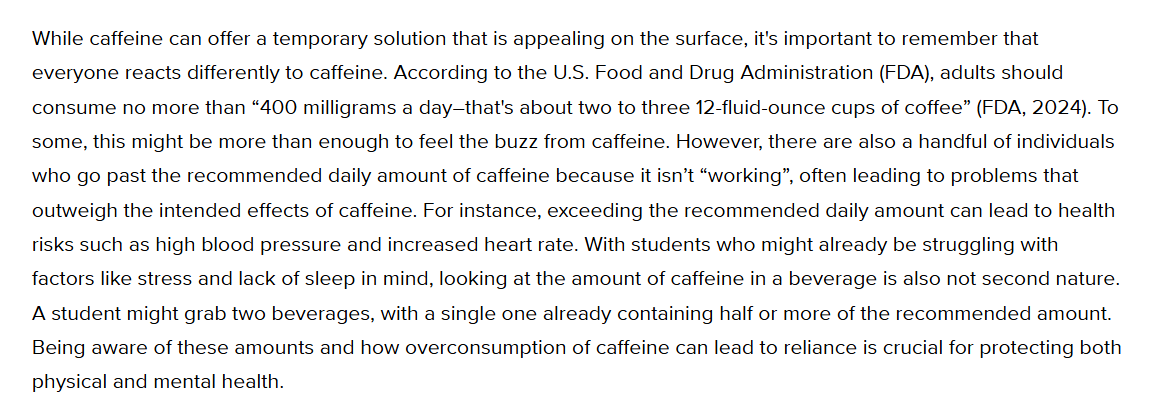
Paragraph from the caffeine article

Ask yourself:

Does the source help answer your research question?
Required.
Is the information too advanced to understand or too simple for your assignment?
Required.
What information in this source directly relates to or supports your topic?
Max 25 characters
Required.
Assignment Check: Always re-read your assignment prompt before evaluating relevance. A source might relate to your broad topic but still not directly answer your specific research question.
Knowledge CheckR: Relevance
Paragraph from the caffeine article
Source: This paragraph discusses caffeine overconsumption health risks among students.

How does this article connect to college student health or daily life?

Please complete all lesson questions.
D

Documentation

Is the information supported by quality evidence?

Source: This article includes a sources list linking to government sites and academic databases.
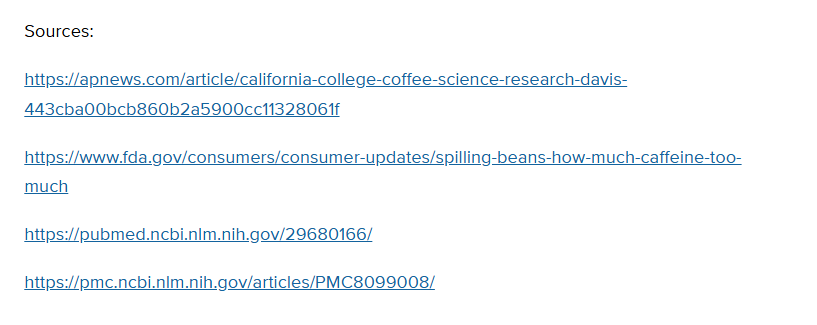
Sources list at the bottom of the caffeine article

Ask yourself:

How in-depth is the information you have found?
Max 25 characters
Required.
Is the information supported by quality evidence?
Required.
Note if and how the author documents or cites their sources.
Max 25 characters
Required.
Citation Chains: A well-documented source gives you a built-in reading list. Follow an author's citations to find additional credible sources on your topic.
Knowledge CheckD: Documentation
Sources list at the bottom of the caffeine article
Source: This article includes a sources list linking to government sites and academic databases.

What evidence shows the author researched the topic and supported their claims with sources?

Please complete all lesson questions.
I

Information Type

What kind of source is this, and is it appropriate?

Source: The navigation menu shows this article under a "Blog" section.
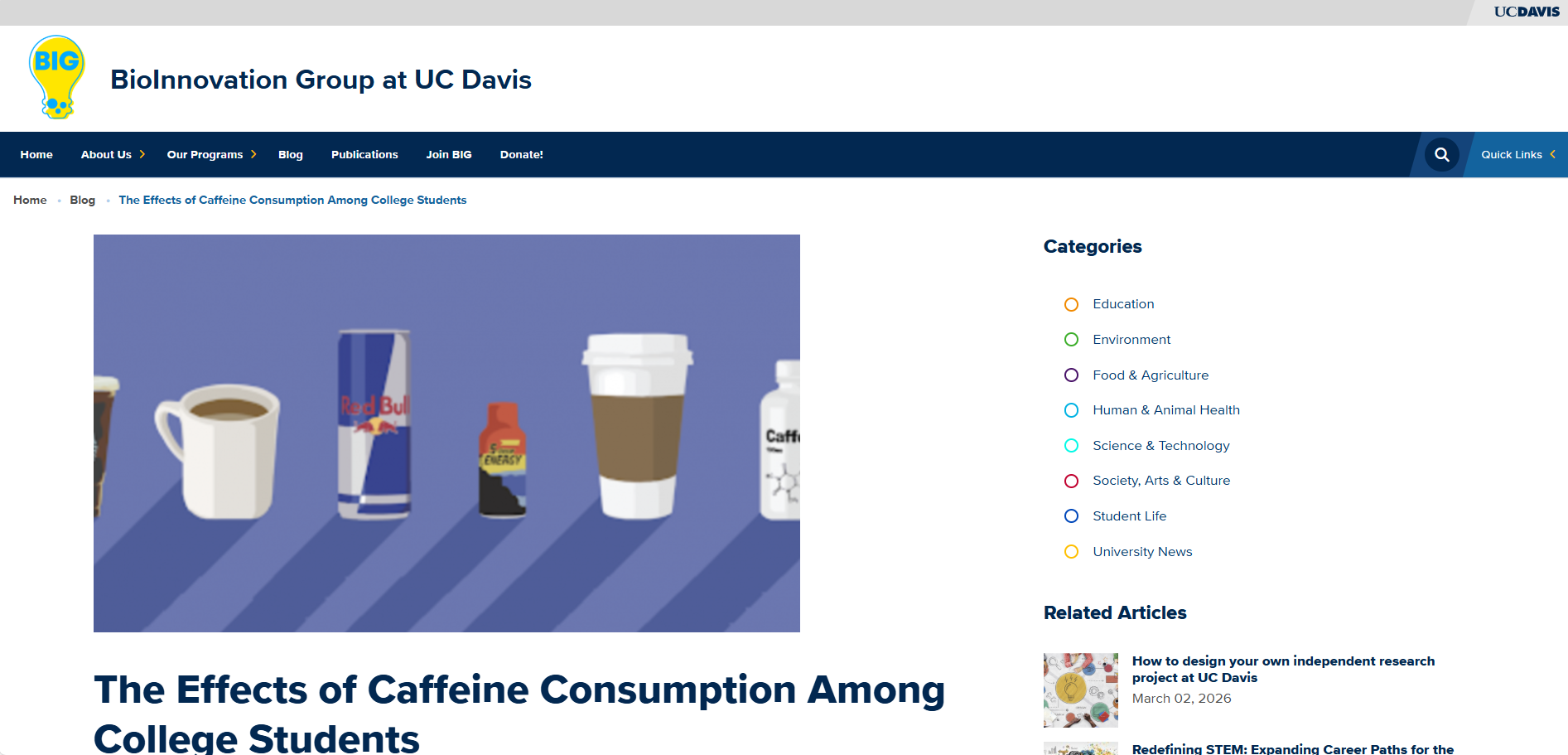
UC Davis BioInnovation Group website showing the Blog navigation menu

Ask yourself:

What type of information is it (e.g., news article, journal article, book)?
Max 25 characters
Required.
Should you use this type of source in your assignment?
Required.
Is this type of source appropriate to use as evidence for this assignment?
Required.
Know Your Assignment: If your professor requires peer-reviewed sources, a blog post typically does not qualify. Always check your assignment instructions first.
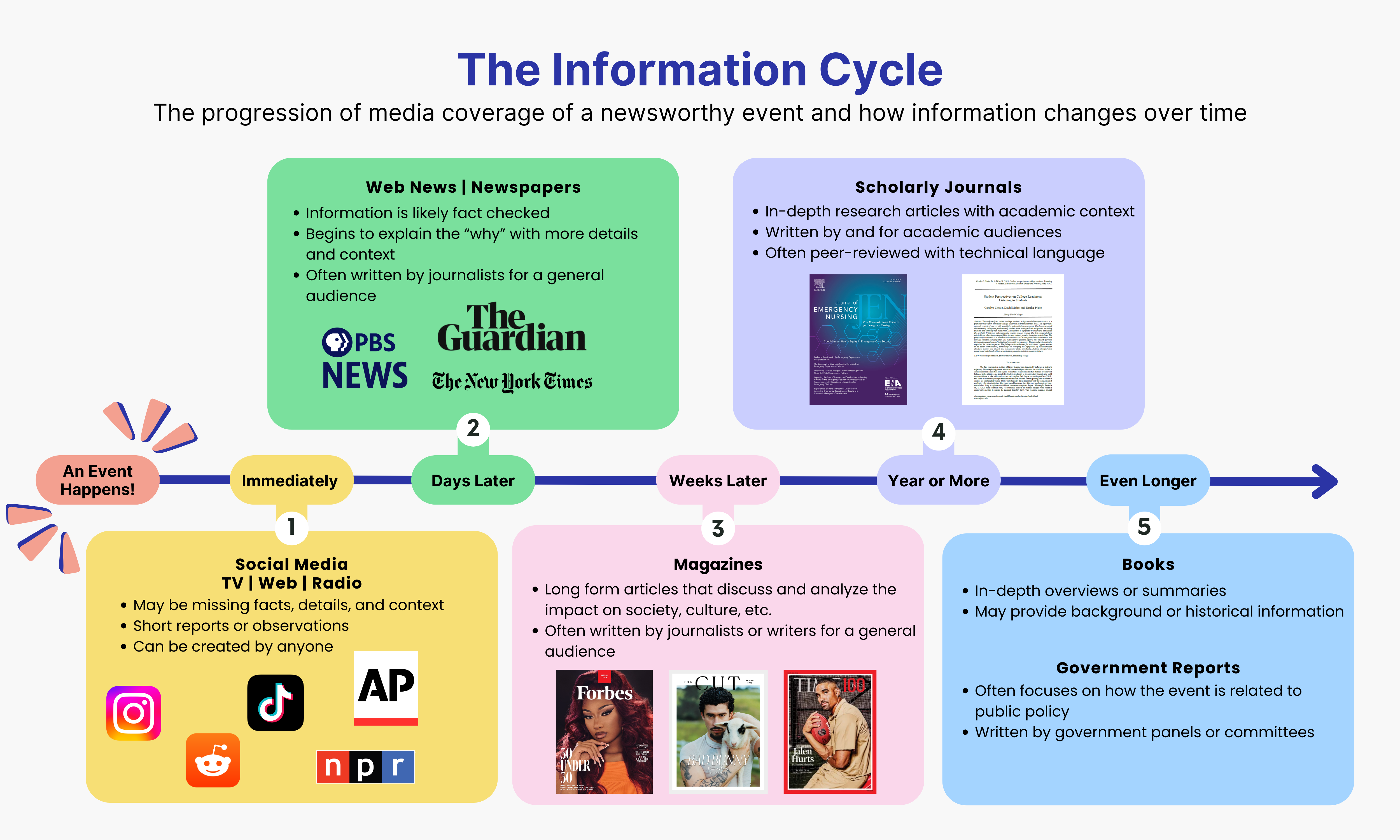
The Information Cycle
The Information Cycle: different source types become available at different points after an event.
Knowledge CheckI: Information Type
UC Davis BioInnovation Group website showing the Blog navigation menu
Source: The navigation menu reveals this article is published under a "Blog" section.

What type of source is this article, and is it appropriate for your assignment?

Please complete all lesson questions.
O

Objectivity

Is the information fair, balanced, and free from bias?

Source: Read the language and tone carefully. Does the author present information factually or lean toward persuasion?

Article text discussing caffeine consumption

Ask yourself:

How objective is the author?
Max 25 characters
Required.
Is the information fact based (supported by their documentation) or an opinion?
Max 25 characters
Required.
Does the source avoid emotional or biased language when discussing different viewpoints?
Required.
Do the author(s) or sponsor(s) make their purpose clear (to sell, to entertain, etc.)?
Required.
Bias Exists Everywhere: Even reputable sources have perspectives. Recognize bias rather than pretend it does not exist. Using a variety of sources with different viewpoints strengthens your research.
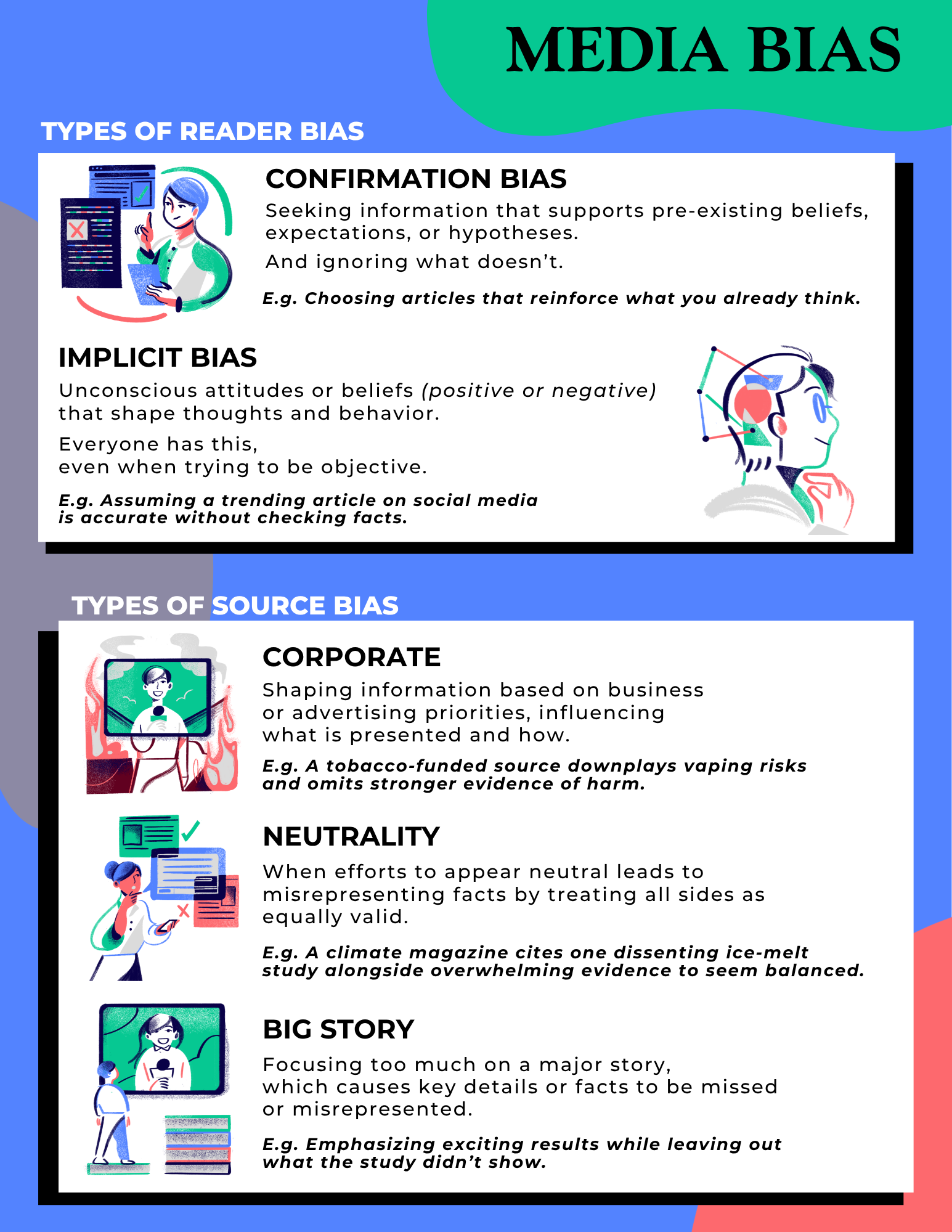
Media Bias infographic
Types of media bias to be aware of when evaluating sources for objectivity.

Media bias appears in many forms. Understanding the difference between reader bias, like confirmation bias, and source bias, like corporate or political bias, helps you evaluate whether a source is presenting information fairly or pushing an agenda.

Knowledge CheckO: Objectivity
Article text discussing caffeine consumption
Source: Read the language and tone carefully. Does the author present information factually or lean toward persuasion?

Does the article appear mostly factual and balanced, or does it seem biased or opinion-based?

Please complete all lesson questions.

REQUIRED: Take the COMP 1500 quiz now:

Take the COMP 1500 Quiz →

Well done, you completed CARDIO!

You have worked through all six CARDIO criteria. Use these questions every time you find a source to determine whether it is credible, appropriate, and useful for your research.

C · Currency A · Authority R · Relevance D · Documentation I · Information Type O · Objectivity

Need to review? Use the button below to start over.